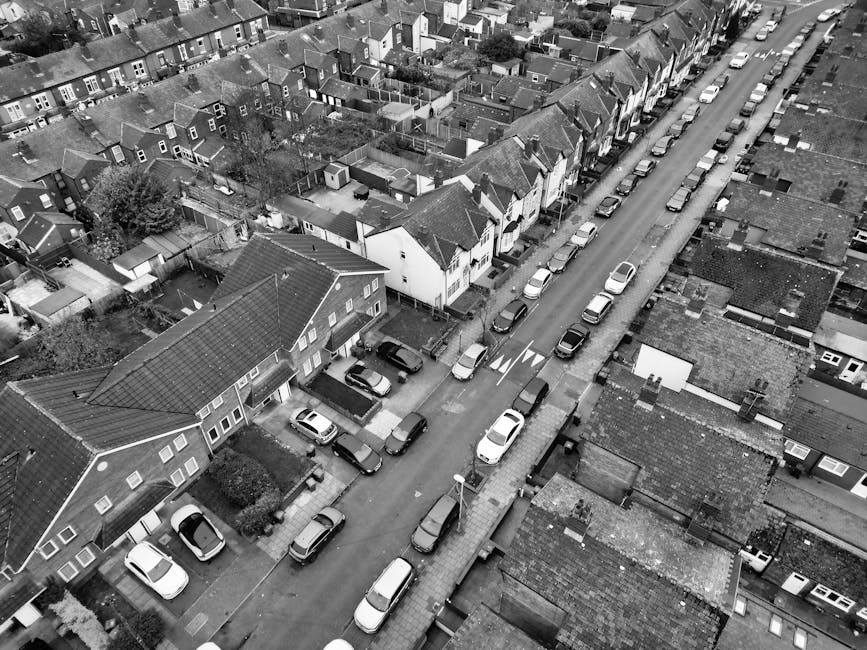
Kilburn High Road removals access tips for narrow streets
Moving on or near Kilburn High Road can feel straightforward on a map and then suddenly very tight in real life. The roads are busy, the parking is often awkward, and a van that looked "small enough" on paper can become a bit of a headache once it meets a line of parked cars, corner shops, buses and impatient traffic. If you are looking for Kilburn High Road removals access tips for narrow streets, this guide walks you through the practical stuff that actually makes the day go smoother.
Truth be told, most removal delays in tight London streets are not caused by heavy lifting. They happen because access was not planned properly. A few sensible decisions early on can save time, reduce stress, and stop that slightly panicked feeling when the driver has nowhere legal to stop. Below you will find a clear, local, no-nonsense approach to planning, loading, timing and on-the-day coordination for a narrow-street move.
Quick expert summary: In narrow streets, the winning move is usually not "bigger van, faster job". It is smarter timing, better packing, clear parking plans, and enough flexibility to adapt if the street is blocked or partially occupied. That is the difference between a tidy move and a frustrating one.
Table of Contents
- Why access planning matters on Kilburn High Road
- How removals access planning works in narrow streets
- Key benefits and practical advantages
- Who this is for and when it makes sense
- Step-by-step guidance
- Expert tips for better results
- Common mistakes to avoid
- Tools, resources and recommendations
- Law, compliance, standards and best practice
- Options, methods and comparison table
- Case study or real-world example
- Practical checklist
- Conclusion
- Frequently asked questions
Why Kilburn High Road removals access tips for narrow streets Matters
Kilburn High Road sits in a part of London where movement is constant. Traffic comes and goes, bays fill up quickly, and side streets can be narrow enough that a badly parked car changes everything. For removals, this matters because the final 20 metres from van to front door can be the hardest part of the whole job.
Access planning matters for three simple reasons. First, it affects how close the vehicle can get to the property. Second, it affects how long the team needs to carry items. Third, it affects safety, for both the movers and the people living nearby. A move that sounds simple in the morning can turn into a stop-start job if the van cannot unload legally or if the team has to keep walking items around parked cars.
You will also notice that narrow streets change the pace of the move. On a wider road, you can often open the back of the vehicle, set out protective kit, and get straight into a rhythm. On Kilburn High Road and the surrounding streets, that rhythm is easily broken. A bus, a delivery driver, or one awkwardly placed skip can force a rethink. Not dramatic. Just annoying. And avoidable, if you plan well.
If you are moving a full household, it can help to look at broader services such as house removals or a more flexible man and van setup depending on the size and timing of the move. For flats, especially higher-up properties, flat removals can be a better fit because the logistics are usually more sensitive to stairs, access and parking.
Key point: On narrow streets, the "best" removal plan is usually the one that reduces waiting, shortens carry distance and gives the crew a clean unloading window. That is what you want to optimise.
How Kilburn High Road removals access tips for narrow streets Works
Think of access planning as a small chain of decisions. Each decision affects the next one. The vehicle size affects parking. Parking affects carry distance. Carry distance affects labour time. Labour time affects cost, energy and timing. If one link breaks, the whole move feels harder than it should.
In practical terms, good access planning usually starts before moving day. Someone checks where the van can stop, whether there is space for loading, how far the walk is from the property entrance, and whether any obstacles might affect the route. If the street is especially tight, the team may choose a smaller removal van, a different arrival time, or a split-load approach.
For many Kilburn moves, the goal is not simply to park as close as possible. It is to park in a way that is safe, legal and workable. That may mean using a loading bay where available, choosing a quieter time of day, or arranging for the biggest or heaviest items to come out first so the crew can make the most of a short stopping window.
There is also the matter of the building itself. Narrow streets are one thing; narrow stairwells, awkward communal hallways and tight front paths are another. In a lot of London properties, the exterior access is only half the puzzle. You need to think about the whole route from the van to the room, and that includes door widths, turns, lift size if there is one, and where boxes can be staged without blocking anyone.
When people ask how this "works", the honest answer is that it works best when it is treated like a series of small practical choices rather than one big moving-day gamble. Bit boring perhaps, but very effective.
Key Benefits and Practical Advantages
Good access planning on narrow streets brings more than convenience. It changes the whole tone of the move.
- Less wasted time: Fewer van repositioning moves, fewer long walks, fewer pauses while the crew waits for space to open up.
- Lower physical strain: Shorter carry distances reduce the chance of tiredness, mishandling, or that familiar end-of-day back ache.
- Better item protection: The less time an item is in transit between property and van, the lower the chance of knocks and scrapes.
- Cleaner schedule control: You are less likely to overrun if the unloading route is already thought through.
- Improved safety: Nobody wants movers stepping around fast traffic or squeezing past car mirrors with a sofa. It is not ideal, to say the least.
- More accurate quotations: Once access conditions are clear, pricing is generally easier to match to the job.
There is another benefit people overlook. Good access planning helps the move feel calmer. When the driver knows where to stop and the team knows how the items will come out, the day has structure. That matters. A structured move feels smaller, even if the property itself is not.
If you are comparing broader service options, it can be useful to understand the difference between removal services and more vehicle-led options such as a removal van. A van can be ideal for tight streets, while a fuller service may suit larger homes or multi-room moves where access is only one of several challenges.
Who This Is For and When It Makes Sense
This kind of planning makes sense for almost anyone moving in or around Kilburn High Road, but some people benefit more than others.
You will probably need extra access planning if you are:
- moving from a flat on a narrow residential street;
- living above ground floor level with no easy lift access;
- moving at a busy time of day when parking is already limited;
- shifting bulky furniture such as wardrobes, beds, pianos or appliances;
- managing a same-day handover where timing is tight;
- running a small office move from a street with restricted stopping space;
- moving in winter or during wet weather, when walks become slower and slipperier.
For students and smaller household moves, a lighter setup may be enough, especially if there are only a few boxes and one or two larger items. In those cases, student removals or a flexible small-vehicle option can be practical. For heavier, more awkward items, you may need to look at furniture removals or even specialist piano removals if the object is especially valuable or difficult to manoeuvre.
And if your move is part of a business relocation, narrow-street logistics can be even more important. Time lost on a commercial move affects staff, customers and opening hours. In that situation, office removals or wider commercial moves planning tends to work best when access is reviewed in advance, not left to chance on the day.
Step-by-Step Guidance
Here is a practical way to approach a narrow-street move without overcomplicating it.
- Check the street from both ends. Sounds simple, but do not just look at the front door. Walk the route as if you were carrying a double mattress or a stack of boxes. Look for parked cars, corners, kerbs, railings, bins and anything that narrows the path further.
- Measure the important parts. Doorways, hallways, stair turns, and the gap between vehicles and pavement all matter. A few centimetres can decide whether a sofa goes through upright, sideways, or not at all. Annoying, but true.
- Choose the vehicle size carefully. Bigger is not always better on Kilburn High Road. A smaller van may park more easily and make unloading quicker than a larger truck that has to circle for ages. If you need a larger option, consider moving truck support only where the street genuinely allows it.
- Pack with access in mind. Put essentials, fragile items and frequently needed boxes near the easiest unloading point. If a team has to weave through a tight staircase, you want the most delicate or valuable pieces handled first, not buried at the back. Good packing and boxes preparation really does help here.
- Plan your arrival window. Avoid the busiest times where possible. Early mornings are often calmer, but not always. School runs, deliveries and general London traffic can change the picture quickly. It pays to stay flexible.
- Keep the entrance clear. On the day, put away loose items, remove bikes, fold prams if needed, and make the route from door to van as open as you can. Small clutter becomes big clutter very quickly in a narrow hall.
- Assign one person to direct the load. Too many voices can slow things down. One clear point of contact is easier for everyone. If the driver needs guidance, one calm person should give it.
- Have a backup plan. If the van cannot park directly outside, decide in advance where the best alternative stopping point is and how the team will work from there.
A small tip, and it really helps: label the items that must come out first. "Kitchen essentials", "children's bed", "office monitor" and so on. When the crew is dealing with a tight street, that sort of clarity saves time and keeps the whole thing orderly.
Expert Tips for Better Results
These are the little things that tend to separate a decent move from a smooth one.
Use the street, not just the postcode, in your planning. Two properties on the same road can have completely different access realities. One may sit near a wider junction; the other may be hemmed in by parked cars and a bend in the road. Access is always local.
Think in loading distance, not just distance to the address. A ten-metre carry on paper can become thirty metres once you add steps, a narrow pavement and a van parked round the corner. That extra effort matters over the course of a full move.
Protect the arrival point. A doorway, threshold and hallway are the most common places for small scuffs and knocks. Floor runners, blankets and careful lifting make a bigger difference than people expect. If you are using a more fully managed service, ask about packing and unpacking services as well; they can take pressure off the busiest parts of the day.
Do not underestimate weather. A bit of rain on a narrow pavement changes foot placement, grip and speed. That matters even more where the van is parked at an angle or the street has uneven paving. One wet morning in London and everyone becomes a little more cautious. Sensible, really.
Match the move type to the access conditions. If the job is small but access is awkward, a compact setup may be better than a full-scale removal lorry. If the job is large and awkward, a more structured service may be worth it. For many local customers, man with van style support works well for this exact reason: it gives you flexibility without overcommitting to a vehicle that is awkward for the street.
Keep furniture partial-disassembled where sensible. Large items are easier to turn, lift and carry when legs, shelves or doors have been removed. Just keep the hardware bagged and labelled. Otherwise, you end up hunting for screws at 9:40 pm, which nobody enjoys.
Common Mistakes to Avoid
In narrow streets, the same mistakes crop up again and again.
- Booking the wrong size vehicle: A van that is too large can be harder to park and slower to unload. A van that is too small leads to multiple trips. Neither is ideal.
- Ignoring parking realities: "There should be space" is not a plan. A plan is knowing where the vehicle will stop and what happens if that spot is taken.
- Leaving access checks until moving day: By then, the best solutions are gone. You are reacting instead of controlling the job.
- Packing without load order: If the first items needed are buried deep in the van, everything takes longer.
- Blocking the hallway with loose items: This slows the crew down and creates trip hazards.
- Forgetting neighbour impact: Narrow streets mean your move affects other people more directly. A blocked driveway or a noisy early start can create avoidable friction.
- Assuming all "small" items are easy: A small but heavy item, like a cast-iron table or a compact safe, can be more awkward than a larger lightweight piece.
One of the least glamorous but most helpful habits is this: do a quiet five-minute walk outside just before the van arrives. You will often spot a new obstacle, a delivery van, or a car that was not there earlier. That tiny check has saved more moves than people realise.
Tools, Resources and Recommendations
You do not need specialist gadgets for a narrow-street move, but a few basic tools make life easier.
- Measuring tape: Useful for doorways, furniture widths and stair turns.
- Furniture blankets and straps: Help protect surfaces and keep loads stable during carrying.
- Strong boxes and labelling supplies: The easier boxes are to identify, the faster unloading goes.
- Protective floor covering: Handy for polished hallways or shared common areas.
- Phone photos of access points: A quick photo of the front entrance, street view and any awkward corners can be surprisingly useful when explaining the property to a mover.
If you need storage because access timing and completion timing do not align neatly, it may be worth reviewing storage options. That can be especially useful for phased moves, temporary delays, or renovations where everything cannot go straight into the property.
For local quote planning, it helps to compare broader options too. Some people prefer a fixed removals package, while others want a flexible van-led move. You can usually start by checking pricing and quotes and then matching the service to the access situation rather than the other way round.
Law, Compliance, Standards, or Best Practice
For a move in a place like Kilburn High Road, the legal and practical side mainly comes down to safe parking, sensible loading, and good transport behaviour. It is best not to assume you can stop anywhere simply because it feels brief. Local parking rules, loading restrictions and road conditions can change the reality quickly.
From a best-practice perspective, removal work should be handled in a way that reduces risk to people, property and the public. That means planning vehicle position, keeping walkways as clear as possible, and avoiding rushed lifting in awkward spaces. It also means checking whether the move involves shared access areas, communal entrances or protected surfaces that need care.
Trustworthy operators should also be able to explain how they approach safety and insurance. If you want to understand those expectations in more detail, it is sensible to review a company's health and safety policy and insurance and safety information before booking. That does not remove all risk, of course, but it does show how seriously the work is being approached.
For customers, the best practice is to give accurate access details early. If there is a narrow entrance, a steep step, a shared stairwell or a difficult loading bay, say so. Clear information usually leads to a more realistic plan and a calmer day. Simple, but often skipped.
You may also want to check a company's general service terms before confirming anything. That can help set expectations around timing, access delays, and what happens if a van cannot park exactly where hoped. A little admin up front can save a lot of confusion later.
Options, Methods, or Comparison Table
Not every narrow-street move needs the same approach. Here is a straightforward comparison of the most common methods.
| Method | Best for | Strengths | Trade-offs |
|---|---|---|---|
| Small van move | Flats, student moves, lighter loads | Easier parking, better for tight streets, quick loading | May need more trips if the load is larger |
| Standard removals service | Full-house moves with mixed items | More support, better organisation, suitable for bigger jobs | Can be harder to position in very narrow streets |
| Truck-based move | Large homes or office relocations where access is wider | Capacity, fewer trips, efficient for large volumes | Parking and manoeuvring can be difficult in tight roads |
| Mixed approach | Awkward access with a moderate amount of furniture | Flexible, often balances capacity and access well | Needs careful planning to avoid confusion on the day |
To be fair, the mixed approach is often the quiet winner in London. Not because it is flashy, just because it is sensible. A compact vehicle for the tricky access and smart scheduling for the rest can be much more effective than trying to force one perfect solution onto an imperfect street.
Case Study or Real-World Example
Imagine a second-floor flat just off Kilburn High Road. The street has resident parking, a few tight corners, and a steady flow of cars through the morning. The customer has a sofa, bed, dining table, six boxes of books, kitchen items and a fragile mirror. Nothing extreme, but enough to cause trouble if access is ignored.
In this situation, the smartest approach is usually a smaller van, an early arrival window and a clear unloading plan. The customer keeps the front hall empty, the bed frame is partly dismantled, and the mirror is packed separately. The movers arrive, find the best legal stopping point, and start with the largest items while the street is still relatively quiet. If a delivery vehicle blocks the nearest bay for ten minutes, the job does not collapse. The team simply adjusts and keeps going.
Now compare that with a less prepared version of the same move. The van is too large, parking takes longer, boxes are scattered in the hallway, and nobody knows whether the mirrored item is fragile or not. The crew spends more time working around the street than through it. Same property. Same furniture. Very different day.
That is why access tips matter. They are not abstract. They show up in the first ten minutes and keep showing up until the final box is inside.
Practical Checklist
Use this checklist before moving day. It is simple, but it catches a lot of problems early.
- Check the street for parking restrictions and likely congestion points.
- Measure front door width, stair turns and any tight interior corners.
- Decide where the van is most likely to stop legally and safely.
- Identify the best backup stopping point if the first one is unavailable.
- Label fragile, heavy and first-off boxes clearly.
- Clear hallways, entrances, bikes, bins and loose clutter.
- Confirm whether any furniture should be dismantled before loading.
- Set one person as the main contact for the removal team.
- Take photos of awkward access points if helpful.
- Keep important documents, keys and valuables with you.
- Review safety and insurance details before confirming the booking.
- Be ready to adapt if the street is busier than expected.
If you can tick most of those off, you are already ahead of the curve. Seriously. Half the battle is simply knowing what might go wrong before it does.
Conclusion
Kilburn High Road removals access tips for narrow streets are really about one thing: making the moving day fit the street instead of fighting it. When you plan parking, pick the right vehicle, pack with unloading in mind and keep the route clear, the whole process becomes easier to manage.
That does not mean every move will be perfect. London streets are living, changing spaces. A bay can disappear, traffic can back up, and weather can make everything a bit slower. But with sensible planning and a calm approach, those problems become manageable rather than chaotic.
If you are preparing a move in Kilburn and want support that takes access, timing and loading into account, it is worth comparing services carefully and choosing the level of help that matches your property. A little preparation now can save a lot of strain later, and that is no bad thing.
Get a free quote today and see how much you can save.
Frequently Asked Questions
What is the biggest challenge with removals on Kilburn High Road?
The biggest challenge is usually access, not the lifting itself. Narrow streets, busy traffic and limited parking can all slow the move down if they are not planned for properly.
Should I choose a smaller van for a narrow street?
Often, yes. A smaller van can be much easier to park and unload on tight London roads. That said, the right choice depends on the size of the load and whether multiple trips would create more disruption.
How far in advance should I plan access for a move?
As early as you can. Even a rough access check a few days ahead is better than leaving it until moving day. If parking is particularly tricky, earlier planning gives you more room to adjust.
Do I need to measure my furniture before moving?
If you have large or awkward items, yes. Measuring furniture and key doorways helps avoid surprises, especially in flats and older properties where hallways can be tight.
What should I do if the van cannot park directly outside?
Have a backup stopping point in mind and keep the front route clear. The team may need to carry items a little further, so reducing clutter and sorting the load order becomes even more important.
Is a man and van service suitable for narrow streets?
Yes, very often. A flexible man and van setup can work well where access is tight and a full-size truck would be awkward.
How can I make a flat move easier on a narrow road?
Clear the entrance, label boxes, dismantle larger furniture where possible, and make sure the movers know about stairs, lifts or shared hallways in advance. For flat-based moves, flat removals support can be especially useful.
What items cause the most access problems?
Large sofas, wardrobes, beds, pianos and appliances tend to cause the most trouble. They need more turning space, better protection and more careful handling through tight gaps.
Can storage help if access is complicated?
Yes. If your property is not quite ready, or if you are moving in stages, storage can help bridge the gap and take pressure off the move.
Are morning moves better for Kilburn streets?
Sometimes. Early starts can be quieter, but not always. The best time depends on traffic, parking patterns and any restrictions nearby. A slightly quieter window usually helps, though.
How do I know if I need professional removals rather than doing it myself?
If the street is narrow, the furniture is heavy, or the timing is tight, professional help is often worth it. You are not just paying for lifting; you are paying for planning, timing and a safer way through the awkward bits.
What should I ask before booking a removals company?
Ask how they handle narrow streets, what vehicle sizes they use, whether they need photos of access points, and how they approach safety and insurance. You can also review company information such as about us and health and safety policy pages to understand their approach.
What if I need a fast move at short notice?
If timing is tight, look for services that can respond quickly and still plan access properly. In some situations, same day removals may be relevant, but only if the access details are clear enough to make the job workable.